
The word Flour comes from the Latin Flour, in turn derived from far, or the Emmer. This word originates from the ancient Romans, who originally used this cereal to obtain this nutritious powder, used for all their daily preparations.
The most widely used flour today is undoubtedly soft wheat, suitable for all kinds of preparations, from bread to focaccia to pizza. There are many variations, but every flour is milled from wheat, a member of the Gramineae family, recognizable by its distinctive ear-shaped stalk. Wheat is one of the most widely cultivated plant species in the world.
The Origins of Flour: Who Invented Flour?
It is thought that flour was invented by the populations of Asia Minor, in the famous Fertile Crescent, between the Tigris and Euphrates rivers, about 10,000 years ago. Initially, grain was crushed between flat stones to produce a coarse powder, which was mixed with water and cooked on hot stones—a sort of primitive flatbread.
Grain cultivation spread over time throughout Europe. With the discovery of America came the corn flour, from which the polenta we know today was born, originally prepared by the Romans with millet or spelt flour.
The evolution of milling
For thousands of years, wheat was ground by hand between two stones (millstones). The invention of the water mill In the 1st century BC it was revolutionary: it allowed large quantities of grain to be ground with less effort. In the Middle Ages, the windmills, especially in the flat areas of Northern Europe. Finally, with the Industrial Revolution of the nineteenth century, came the steel roller mills, which allowed the germ and bran to be separated from the endosperm of the grain, thus producing the refined white flour we use today.
Types of soft wheat flour
In Italy, soft wheat flour is classified according to its degree of refinement. From most refined to least refined:
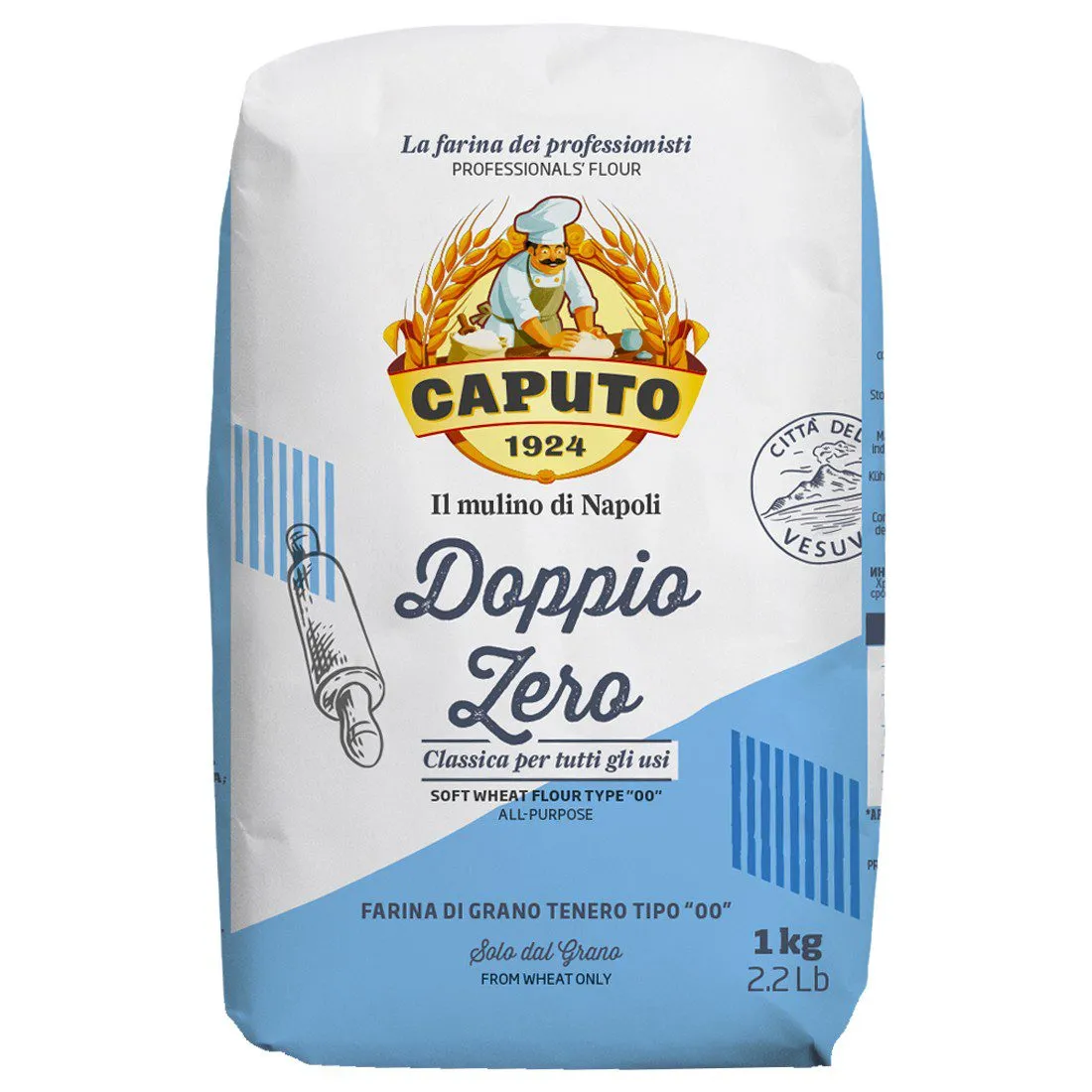
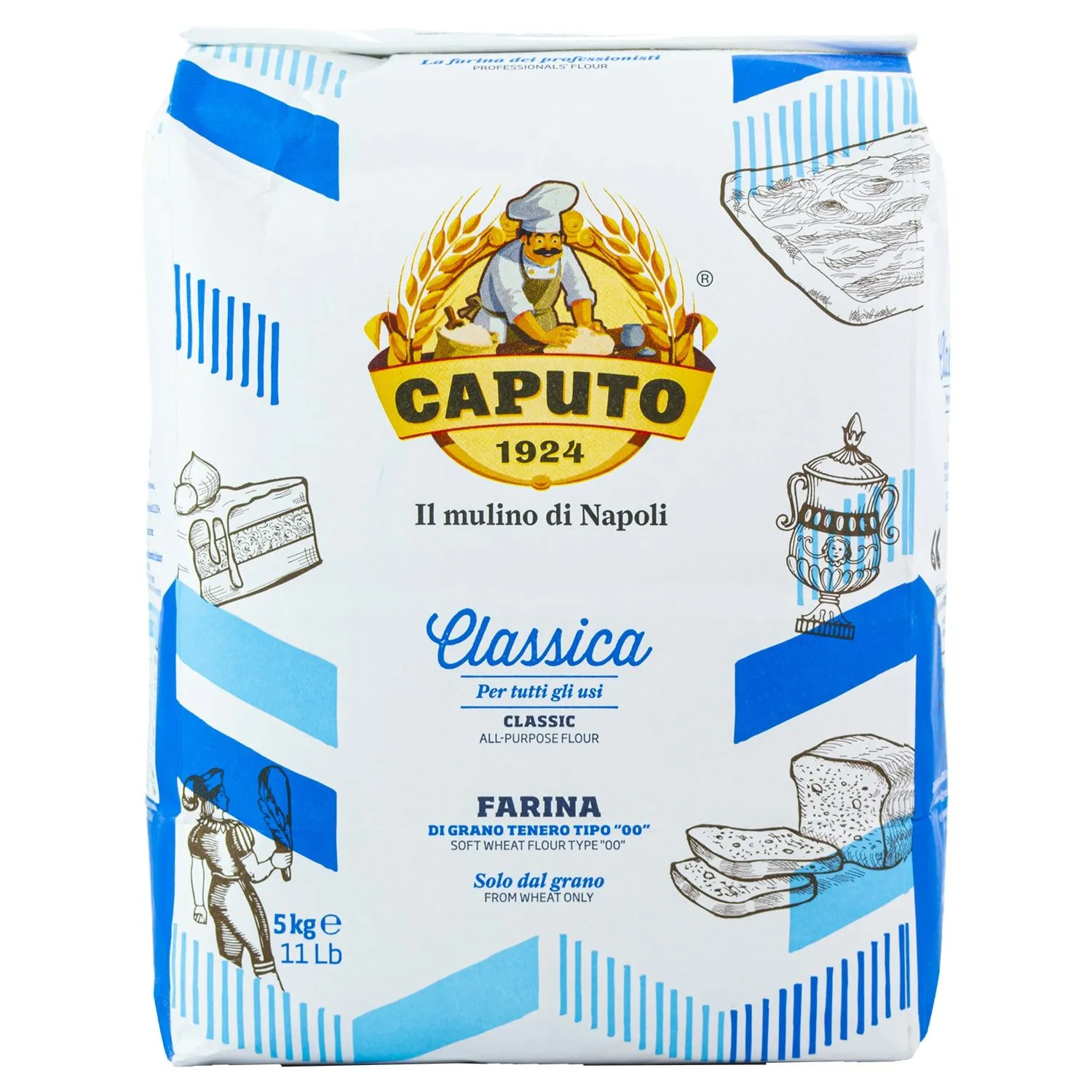
- 00 flourThe finest, very white, and almost bran-free. Ideal for fresh pasta, puff pastry, desserts, and leavened goods.
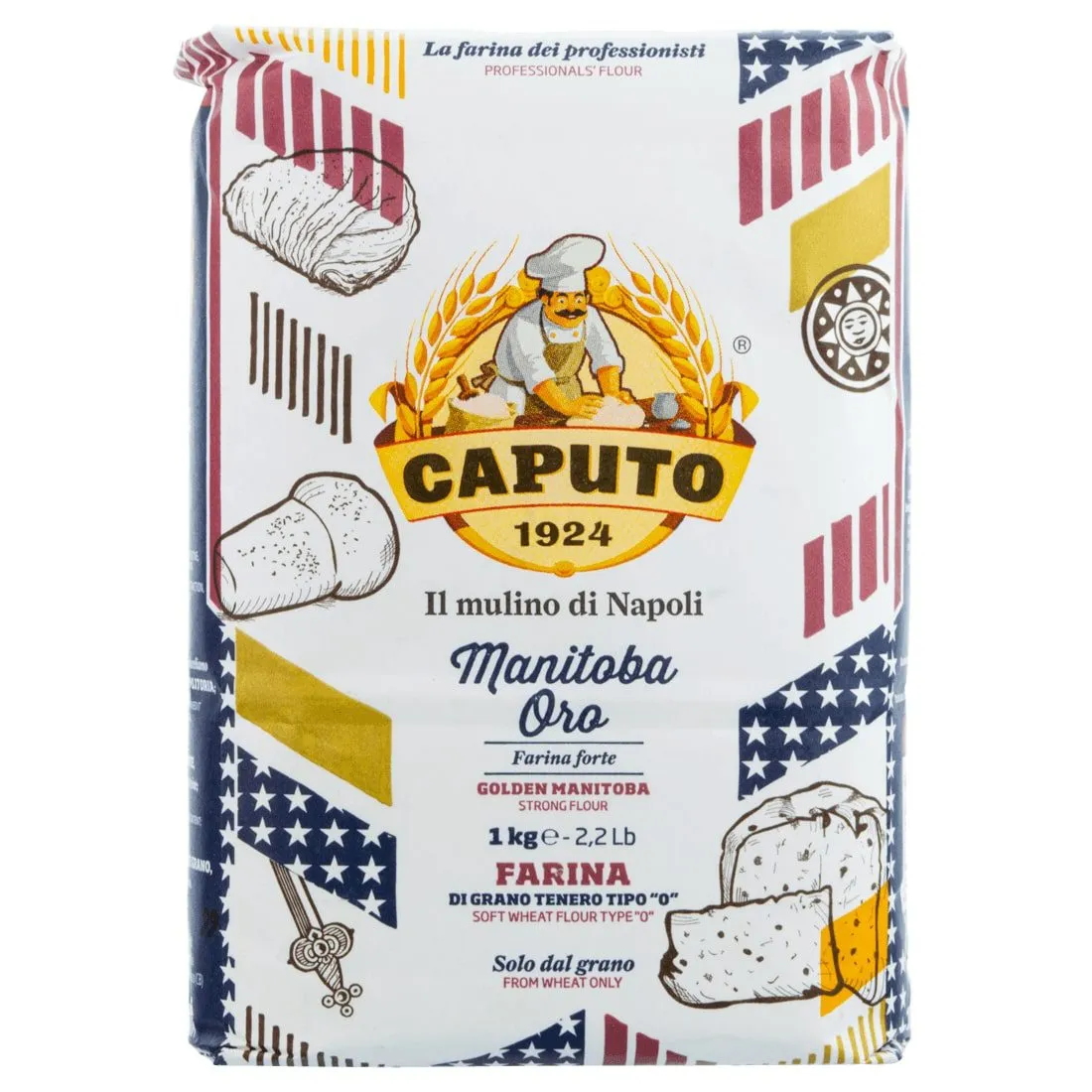
- 0 flour: slightly less refined. Excellent for pizza and bread.
- Flour 1Contains a small amount of bran. Suitable for rustic breads and focaccias.
- Flour 2: called “semi-wholemeal”, with a richer nutritional profile.
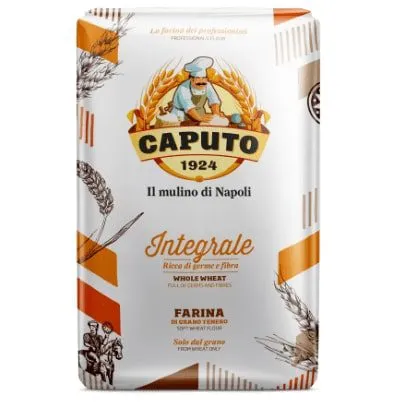
- Whole wheat flourContains the entire grain, including the germ and bran. The most nutritious, rich in fiber, B vitamins, and minerals.
Alternative and gluten-free flours
Today there are many alternative flours to soft wheat, some gluten-free, suitable for different dietary needs:
- Spelt flour: ancient and digestible, with a nutty flavor. Excellent for bread and pasta.
- Corn flour: the base of polenta and many traditional desserts from northern Italy.
- Buckwheat flour: gluten-free, used for Valtellina pizzoccheri and Breton crepes.
- Almond flour: rich in good fats and proteins, ideal for gluten-free desserts.
- Rice flour: very light and gluten-free, the basis of many oriental preparations and suitable for celiacs.